
The Mother and the Patient
The Screwtape LettersThis flow traces the strained domestic relationship that tempts both mother and son toward grievance rather than practical care.
increasing Bearing strength in each event
 decreasing
Bearing strength in each eventdecreasingDaily Irritation
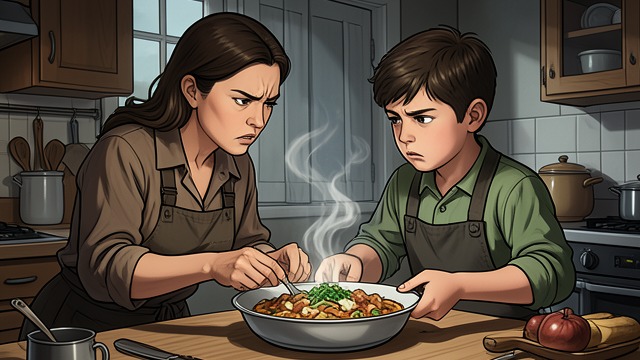
A Household of Pinpricks
Familiar Friction
The patient and his mother share habits of speech and expression that irritate each other. Small encounters can carry more hostility than their literal words reveal.
Opportunity
Screwtape and the mother’s tempter are urged to turn recurring discomfort into mutual annoyance. The domestic setting makes resentment tangible and repeatable.
Prayer for an Image
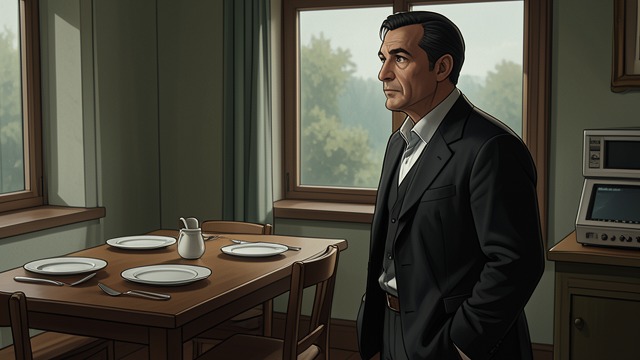
Concern at a Distance
Misplaced Focus
The patient is encouraged to pray abstractly about his mother’s soul while overlooking her physical discomfort. His attention can dwell on traits that inconvenience him.
Division
An imagined version of the mother may become detached from the woman at breakfast. Prayer then fails to influence the ordinary treatment that would reveal its sincerity.
The Double Standard
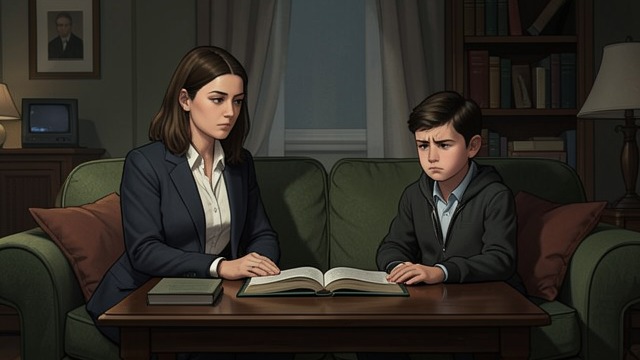
Words and Tones
Unequal Judgment
The patient expects his own words to be judged literally while interpreting his mother’s tone as evidence of hostile intent. She can be encouraged to apply the same distortion to him.
Accumulation
Each leaves an exchange feeling innocent and injured. Repeated misreadings make ordinary conversation a mechanism for sustaining resentment.
Neglect and Evasion
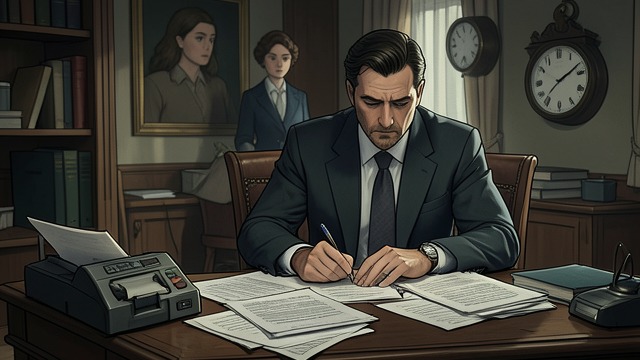
Domestic Distance
Displacement
The patient’s new acquaintances draw time and attention away from his mother and work. Her alarm and jealousy increase as his behavior becomes more evasive.
Consequence
The household conflict reinforces the wider drift toward divided loyalties. Personal neglect makes the patient’s social compromise costly to people close at hand.
Care Beyond Resentment

Attention Turns Outward
New Concern
War and defense duties force the patient to attend more closely to neighbors. He discovers that practical responsibility can draw him out of self-absorption.
Unresolved Bond
The letters do not provide a final reconciliation with his mother. Their strained relationship remains part of the human cost that his growing charity begins to answer.
Soon after the patient’s conversion
During the patient’s early prayers for his mother
As the household pattern becomes established
After the patient forms new social attachments
During the patient’s wartime period of service
